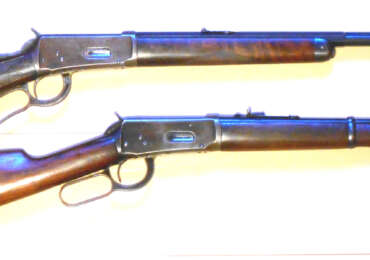
How John Browning’s 1894 lever-action design became the first sporting rifle to sell over 7 million units, armed both American ranches and the Mexican Revolution, and remains in production 130 years later.
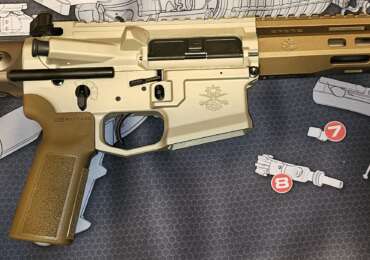
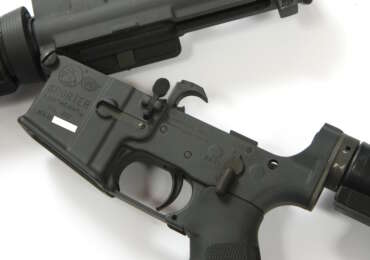
How the Mini-14’s Garand-derived fixed-piston design and the AR-15’s modular, direct-impingement architecture became the two dominant answers to the same question: what .223-caliber semi-auto rifle should you buy?
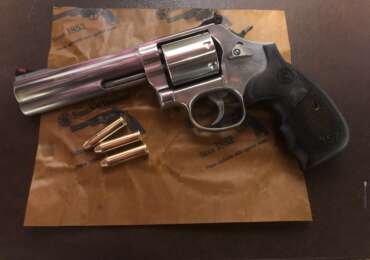
How Smith & Wesson’s L-frame 686 and Ruger’s GP100, designed four years apart to solve the same durability problem, became the two default full-size .357 Magnum revolvers for the next four decades.
How two pump shotguns designed a decade apart, by completely different teams, both ended up claiming more than 11 million units produced and a permanent place in American hunting, police and military service.
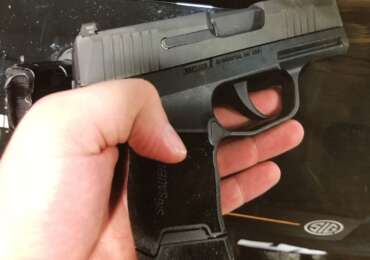
How a ten-round magazine squeezed into a subcompact frame in January 2018 created an entirely new category of concealed-carry pistol, and turned the P365 into the best-selling handgun in America two years running.
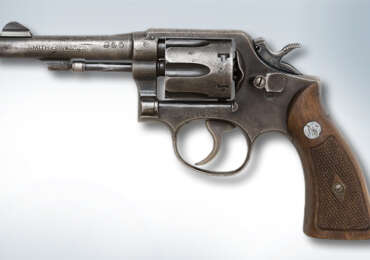
How a 1899 revolver design became the standard police sidearm of the 20th century, served two wars as the Victory Model, and quietly stayed in production longer than almost any handgun ever made.
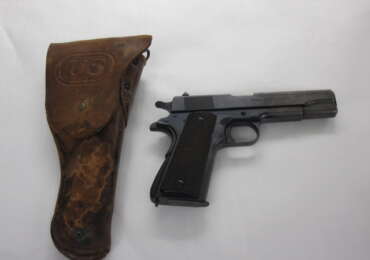
How the Colt Government Model 1911 and the Browning Hi-Power, both born from John Browning’s designs a generation apart, ended up with opposite answers on caliber, capacity and trigger feel.
The Taurus RPC is a 9mm firearm built around a roller-delayed operating system. This overview examines its published specifications, design terminology, and the limits of the available information. It separates manufacturer descriptions from conclusions that would require independent testing. This article does not report a firsthand range test. There are no original accuracy measurements, recorded reliability results, or measured recoil…