
John Browning designed the Winchester Model 1894 as the first commercial American repeating rifle built specifically to handle smokeless powder, a lever-action that went on to become one of the best-selling sporting rifles ever made and picked up the nickname “the gun that won the West” along the way. [1]
Designed by John Browning, Built by Winchester
Browning sold the design to the Winchester Repeating Arms Company, which put it into production in 1894, continuing the working relationship that had already produced several of Winchester’s earlier lever-action rifles through the previous decade of the company’s growing sporting-arms catalog. [1]
The First Smokeless Repeater
The rifle initially shipped chambered for the black-powder .32-40 and .38-55 Winchester cartridges, even though its action was engineered from the outset to handle the higher pressures of smokeless powder, a forward-looking design choice ahead of the ammunition that would eventually define it. [1]
The .30-30 Arrives
Winchester paired the rifle with the new .30-30 Winchester cartridge in 1895, and the combination became so closely associated that many hunters simply call any .30-30 lever gun a “thirty-thirty” today, regardless of which company actually built the rifle in their hands. [1]

A Simple, Rugged Action
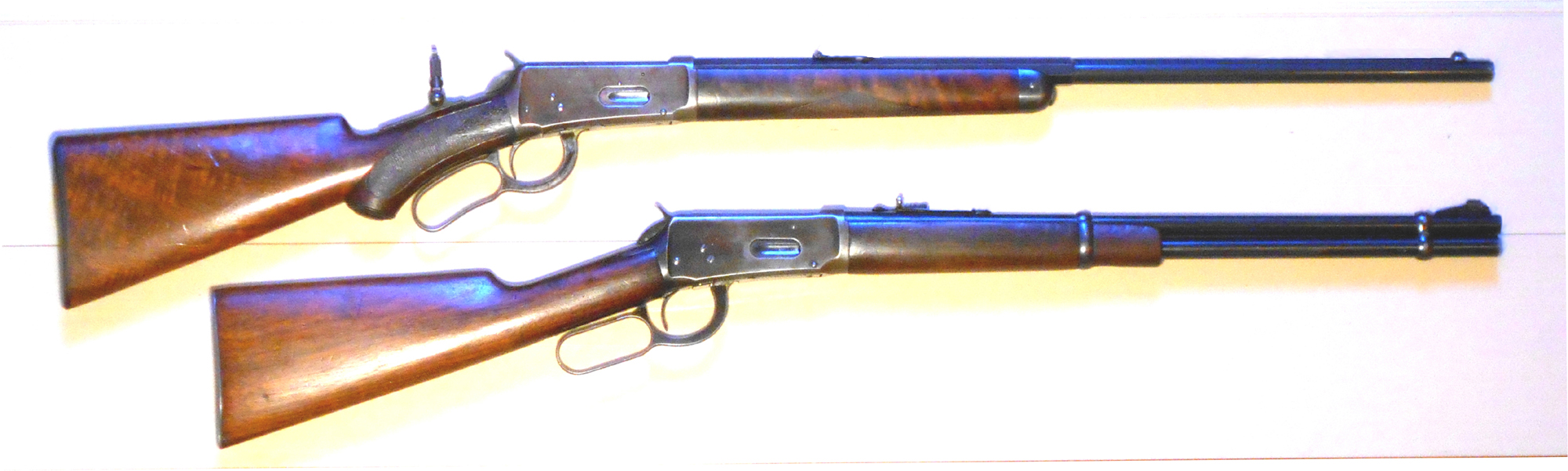
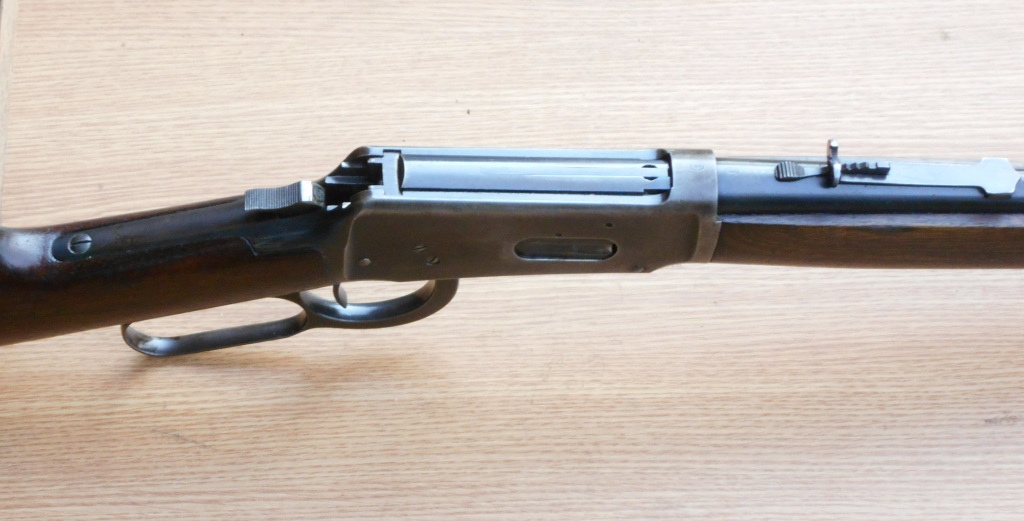
The Model 1894 uses an exposed-hammer lever action feeding from a tubular magazine beneath the barrel, a mechanically simple layout with few parts to fail, which suited it well to the ranch and trail use it saw across a century of continuous production. [1]
Inside the Receiver
Working the lever drops the bolt, extracts the spent case, and ejects it out the top of the receiver on original models, a simple enough operation that generations of hunters could field-strip and maintain the rifle without specialized tools or training. [1]
Seven Million and Counting
Winchester’s own figures credit the Model 1894 as the first sporting rifle to sell more than seven million units, a milestone reached over a production run that started in 1894 and continued, under several different owners, into the 21st century. [1]

The Gun That Won the West
The nickname stuck less because of any single dramatic event than because the rifle was simply everywhere: on ranches, in trading posts, and in the hands of ordinary hunters and settlers across the American West for the better part of a century. [3]
Riding With the Revolution
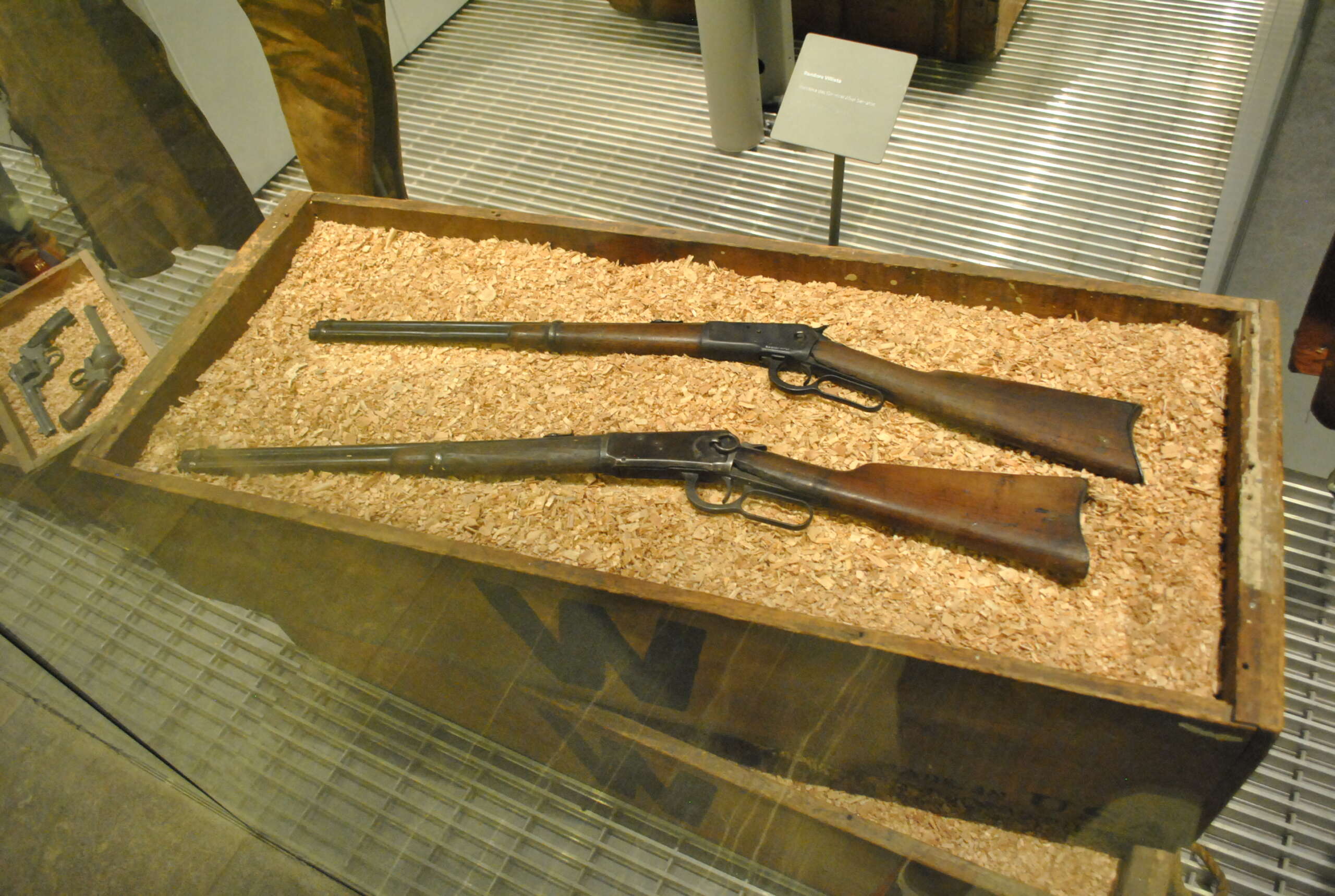
The rifle’s reach extended well past the United States. In Mexico it earned the nickname “Carabina 30-30,” and its fast-cycling lever action made it a favored weapon during the Mexican Revolution, closely associated with Pancho Villa’s forces in the fast-moving raids and skirmishes of that conflict. [2]

A Late-Sixties Carbine
The standard carbine configuration, built through the 1960s and long after, kept the same basic 20-inch barrel and straight-grip stock that had defined the rifle from the start, changing in small manufacturing details far more than in its overall shape or handling. [1]
Big Bore XTR
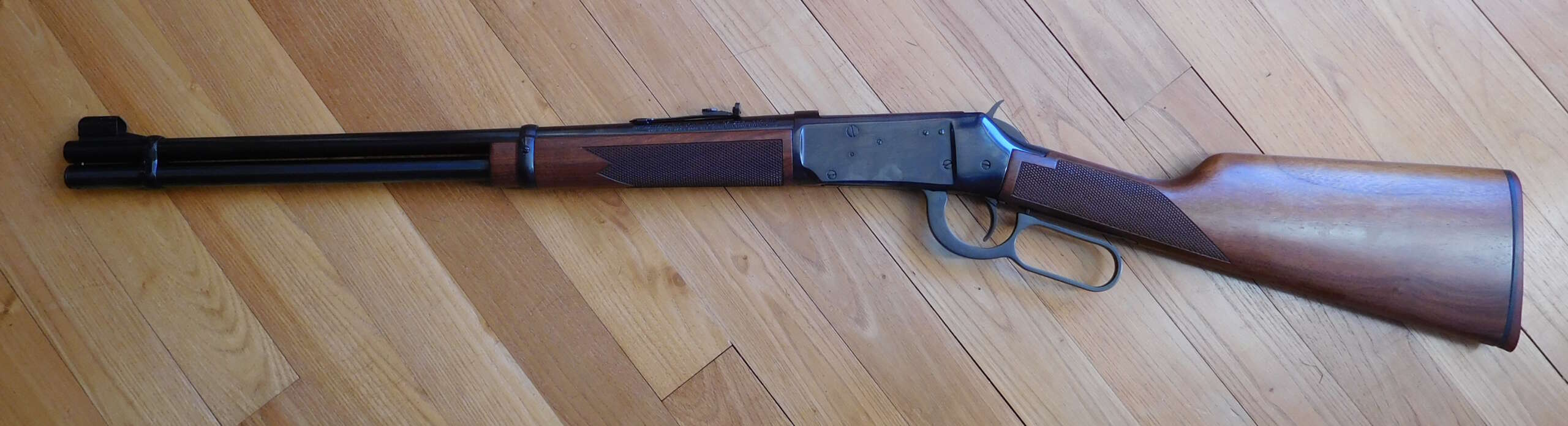
Winchester later expanded the platform with Big Bore XTR variants chambered for larger cartridges like .375 Winchester, pairing the added power with checkered wood furniture and a more finished overall fit than the working-gun carbines the Model 94 had built its reputation on. [1]

Three Rounds of Changes
The rifle went through three notable engineering updates over its life: cost-reduction manufacturing changes in 1964, an angled ejection port added in 1982 specifically to clear the way for scope mounting, and CNC-driven manufacturing and safety updates introduced in 1992. [1]
Discontinued, Then Reborn
Winchester and its successor, U.S. Repeating Arms, kept the Model 1894 in production until 2006, when it was discontinued, only for Japanese manufacturer Miroku to begin building new Model 94s for Winchester Repeating Arms starting in 2011, five years later. [1]
More than 130 years after John Browning’s design reached Winchester’s factory floor, the Model 1894’s basic silhouette, an exposed hammer, a loop lever, and a tubular magazine under the barrel, remains instantly recognizable, still in production today under a different company on a different continent. [1]