
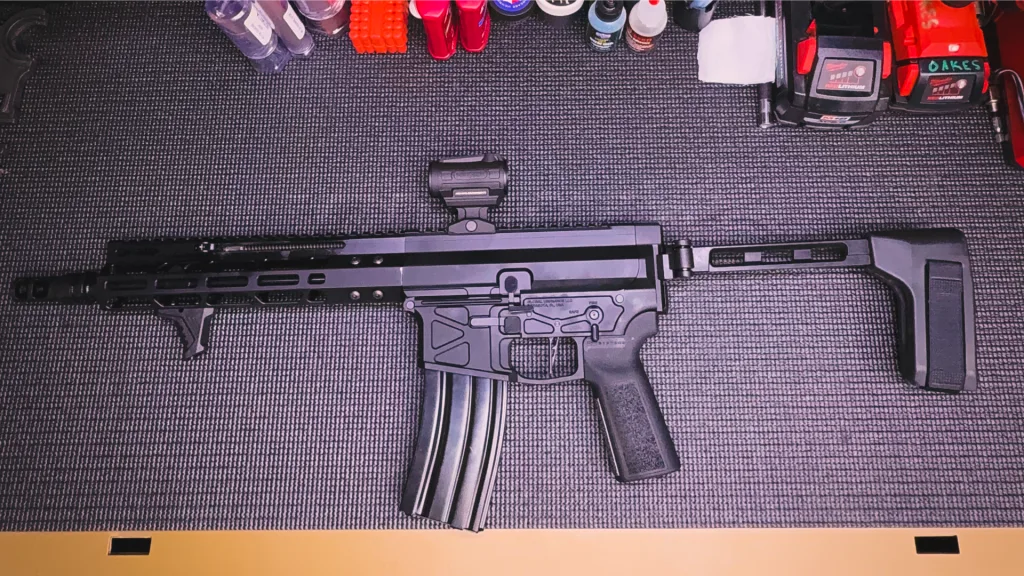
If you’ve handled enough AR pistols, you know the pattern: rear charging handle, buffer tube out back, and a parts ecosystem so big it can be overwhelming. The Global Ordnance Monolith Pistol goes a different direction. It keeps the familiar AR feel where it counts (controls, mags, trigger compatibility), but it’s engineered as a more integrated, modern “system” — especially if you care about compact setups and suppressor use. Monolith-Owners-Manual-0724
This post breaks down what makes the Monolith unique, who it’s for, and how it compares to three common alternatives: SIG MCX, BRN-180, and a typical AR-15 pistol.
What Makes the Monolith Different?
1) Bufferless-style layout (without the “standard AR” rear-end baggage)
Traditional AR pistols rely on the buffer tube and buffer spring to cycle. The Monolith uses a proprietary internal recoil setup (including a dual-spring assembly) and is designed around that architecture. That means the platform is built to be compact and cohesive from the start, not “AR pistol… but with a bunch of workarounds.” Monolith-Owners-Manual-0724
2) Forward, non-reciprocating charging handle
The Monolith runs a forward charging handle system that can be configured for left- or right-handed shooters. It’s built into the handguard design and is part of why the Monolith feels more like a “purpose-built” platform than a parts-bin build. Monolith-Owners-Manual-0724
3) Suppressor-minded setup
Global Ordnance explicitly supports suppressor use and includes guidance aimed at reducing back pressure and bolt speed (including different recoil spring options for shooters who run suppressed frequently). That’s a big deal because many AR pistols can run suppressed, but often need tuning to do it comfortably and reliably. Monolith-Owners-Manual-0724
4) It’s a system, not an infinite-mod canvas
This is the trade-off: the Monolith uses several proprietary components that aren’t meant to be disassembled or swapped like standard AR parts, and some changes can void warranty. The upside is tight integration; the downside is it’s not built to be endlessly reconfigured. Monolith-Owners-Manual-0724
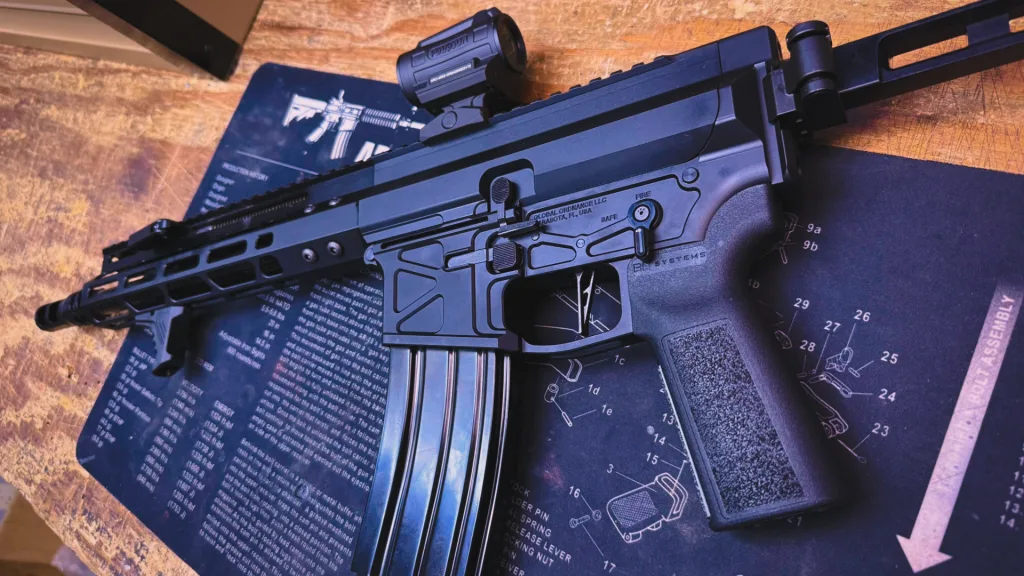
Reliability and Maintenance: What Owners Should Know
The manual is very clear about two things:
- Lubrication matters (especially during break-in).
- Many early issues in semi-auto platforms come down to being dry/dirty, ammo variance, or magazine quality.
Global Ordnance recommends a break-in period and emphasizes cleaning/lubing practices that help the system run as intended. If you’re the type who loves running guns bone-dry “because it should,” the Monolith is going to feel picky. If you’re the type who treats lubrication like cheap insurance, you’ll be right at home. Monolith-Owners-Manual-0724
Monolith vs. SIG MCX vs. BRN-180 vs. Typical AR-15 Pistol
Here’s the real-world comparison BWS customers usually care about: feel, function, compatibility, and how much tinkering is required.
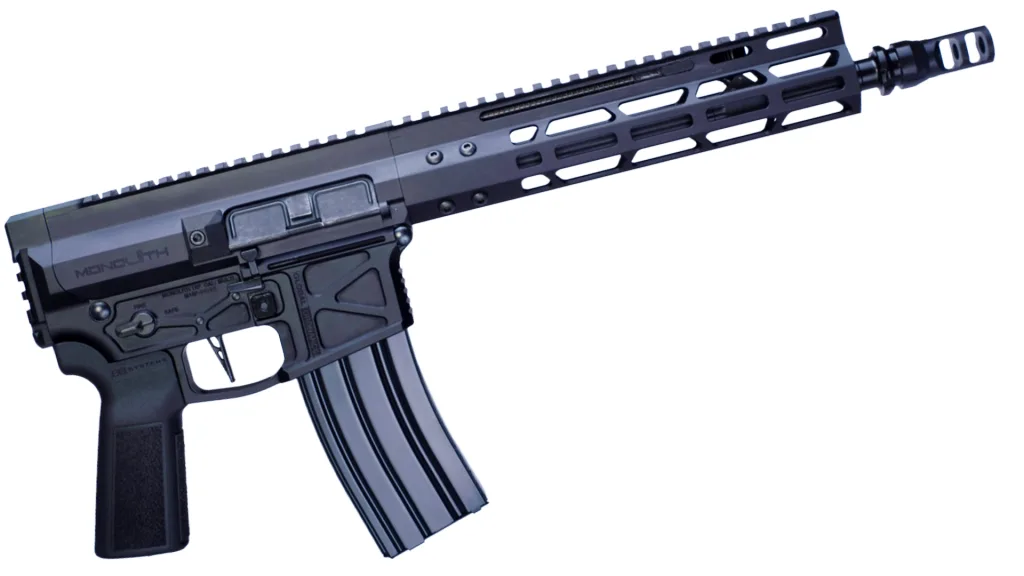
Global Ordnance Monolith
Best for: shooters who want a compact, modern platform and plan to shoot it as-designed.
Why it wins:
- Integrated platform design (not “AR + mods”)
- Forward charging handle ergonomics
- Suppressor use is clearly supported with recommended setup guidance Monolith-Owners-Manual-0724
Where it’s not ideal:
- More proprietary parts than a typical AR
- Not the best choice if your hobby is swapping every component on the gun
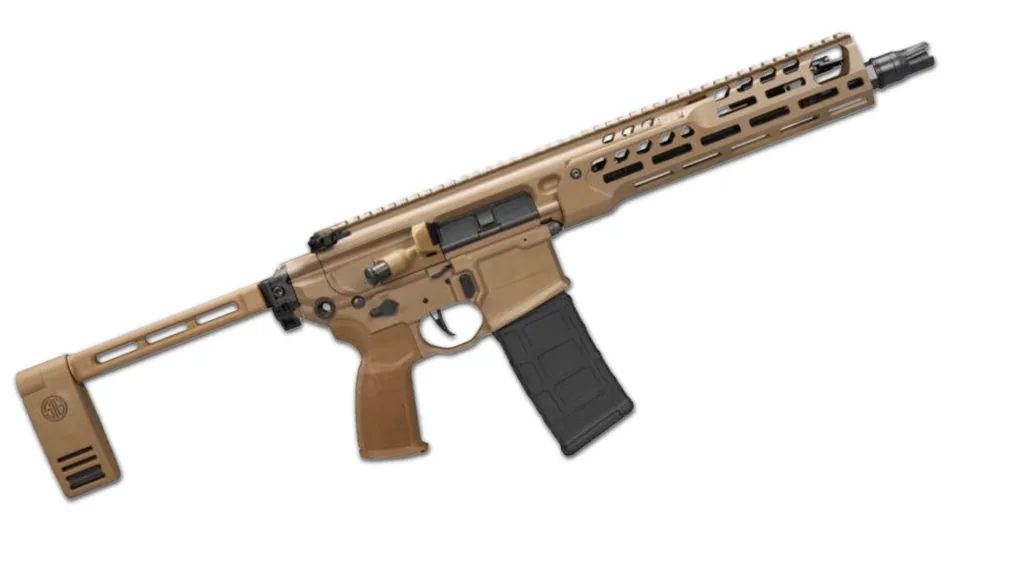
SIG MCX
Best for: buyers who want a premium, modern rifle/pistol platform with a strong reputation and broad support.
Why it wins:
- Highly refined platform and excellent track record
- Strong aftermarket interest and long-term platform confidence
- Great choice for suppressor-heavy users
Where it’s not ideal:
- Price point is typically higher
- You’re still buying into a proprietary ecosystem (just a more established one)
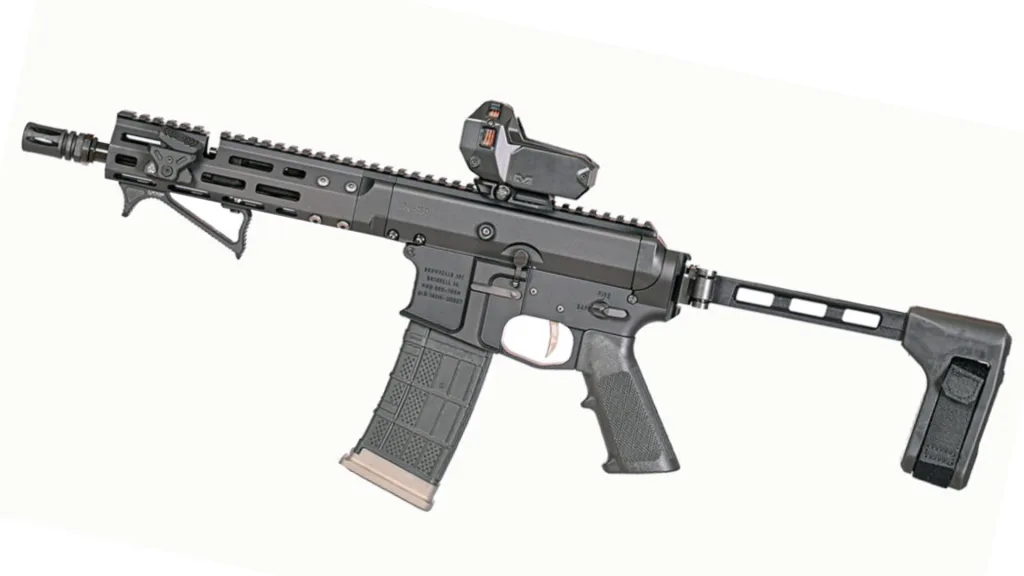
BRN-180
Best for: shooters who want a bufferless-style AR experience without going full proprietary “closed system.”
Why it wins:
- Bufferless layout concept that still feels AR-familiar
- Good middle-ground for buyers who want something different but not “locked in”
Where it’s not ideal:
- Not as universally supported as standard AR-15
- Some buyers prefer either “pure AR” simplicity or MCX-level maturity
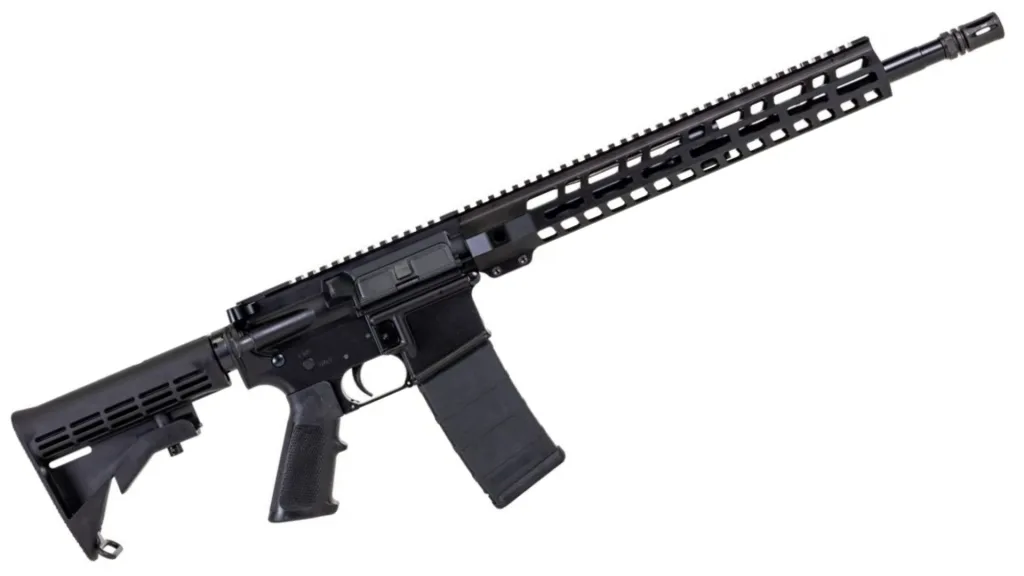
Typical AR-15 Pistol
Best for: shooters who want maximum parts availability, cheapest serviceability, and infinite configuration options.
Why it wins:
- The biggest parts ecosystem in the industry
- Easy maintenance and endless upgrade paths
- Great “first platform” or “do-it-all” baseline
Where it’s not ideal:
- Buffer tube constraints (especially for compact setups)
- Suppressor tuning is often part of the ownership journey (gas, buffers, springs, etc.)
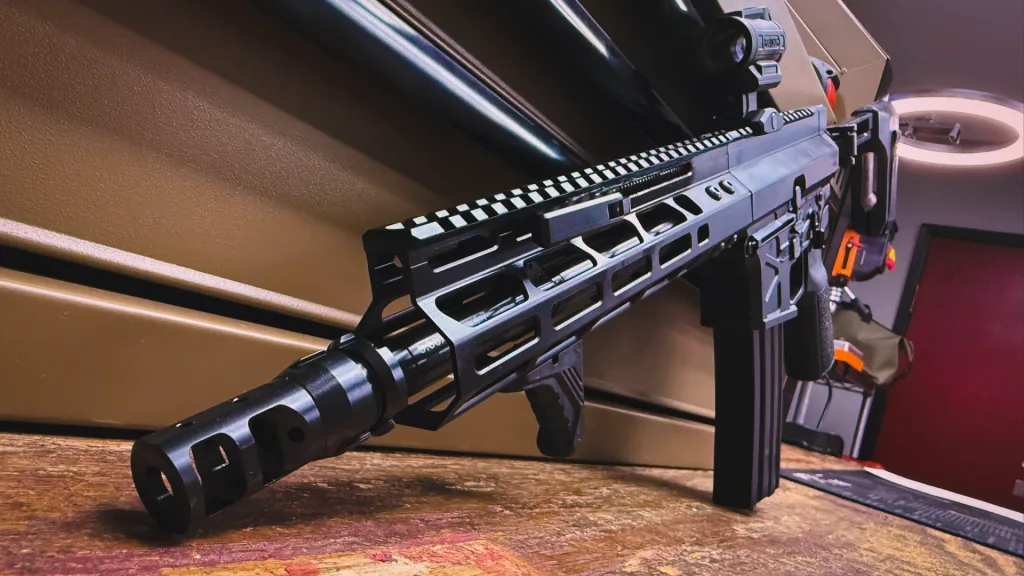
So… Who Should Buy the Global Ordnance Monolith Pistol?
The Monolith makes the most sense for someone who:
- Wants a modern, integrated AR-style pistol platform
- Prefers a purpose-built system over a Lego set of aftermarket parts
- Plans to run suppressed or wants a platform that’s engineered with suppression in mind Monolith-Owners-Manual-0724
- Values a clear maintenance process and isn’t allergic to lubrication
If your customer’s #1 question is:
“Can I swap every part and build it into something else?”
They’re probably happier with a traditional AR pistol.
If their #1 question is:
“Is this a solid, modern platform that’s set up to run hard and stay compact?”
The Monolith deserves a serious look.
Find the Global Ordnance Monolith Pistol at BWS
If you’re curious how the Monolith feels in-hand — especially compared to the usual AR pistol layout — swing by Backwoods Sports and check it out in person. We’ll walk you through what’s proprietary, what’s AR-standard, and how to set it up for your use case.
Learn more about the Monolith from Global Ordnance HERE